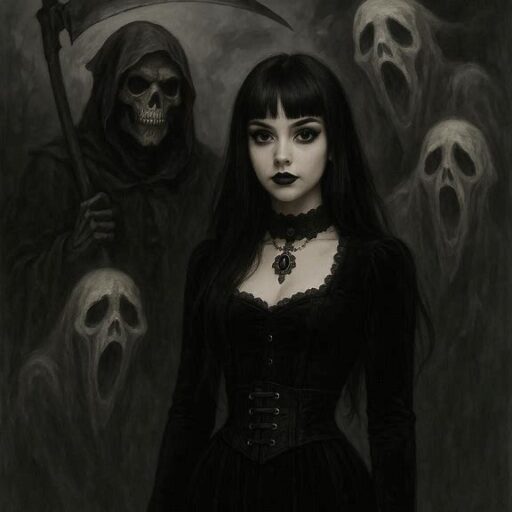
Gothic fashion offers an expressive way to combine dark aesthetics with creativity and individuality. Whether you’re putting together your first outfit or adding new pieces to an evergrowing wardrobe, knowing where to start can be pretty helpful. In this post, I’ll walk through the different gothic styles and where you can find goth clothes that actually fit your vibe.
An Introduction to Gothic Fashion
Gothic fashion goes beyond just wearing black. It’s about attitude, personal taste, and pulling inspiration from historical eras, music, and pop culture. While a lot of folks associate it with the classic Victorian or punk look, the goth world is actually packed with variety and constant reinvention. I’ve noticed over the years that gothic fashion keeps changing, so there’s always something new to explore while still nodding to dark, theatrical roots.
The scene really took off in the late 1970s and early 1980s, inspired by postpunk and bands like Siouxsie and the Banshees. From there, styles branched out into everything from romantic lace to industrial edge. These days, the gothic look often mixes elements from the past with more modern details. It’s not just about dressing dark. For many, it’s an entire lifestyle and art form.
Key Gothic Styles and Their Unique Vibes
If you’re new to the scene, it can feel overwhelming figuring out which direction to take. Here are some of the most popular gothic styles I’ve seen, with a few notes about what makes them tick:
- Traditional Goth: Think black lace, mesh, Victorian silhouettes, and lots of silver jewelry. Classic band tees and platform boots never go out of style here.
- Romantic (Victorian) Goth: Velvet, corsets, bustle skirts, and ruffled blouses. This style leans heavily on vampy, oldworld looks with lots of dramatic flair.
- Cyber Goth: Neon accents, PVC, goggles, and chunky platform boots. This mashup style looks straight out of a futuristic rave with industrial undertones.
- Punk Goth (Deathrock): Ripped fishnets, DIY patches, studded jackets, and bold hair colors or spikes. The music is just as important as the clothes here.
- NuGoth: Minimalist approach, lots of black, oversized tees, geometric prints, and layering. Looks are often inspired by streetwear and high fashion brands.
- Aristocrat/Lolita Goth: Inspired by historical aristocracy and Japanese Lolita fashion. Outfits feature delicate lace, high collars, and tailored coats.
- Pastel Goth: This style softens the dark aesthetic with pastel hair, baby pinks, purples, and cutesy accessories paired with traditional goth staples.
So, whether you want to go full Victorian vampire or keep things low key with streetwearinspired looks, there’s a gothic subculture for just about any taste. The fun is in the creativity. The more you experiment, the more likely you are to stumble upon a combination that shows off your unique personality.
Buying Gothic Clothing: Top Online and Local Stores
Finding goth clothing has gotten way easier in recent years, thanks to online shops and a growing mainstream interest in alternative fashion. I’ve ordered my fair share of pieces online and browsed through local thrift and specialty shops alike. Here are some sources I personally recommend checking out:
Online Gothic Clothing Stores
- Killstar: Widely known for their edgy, modern goth styles. Their selection covers everything from everyday basics to statement pieces. Visit Killstar
- Dolls Kill: If you’re into a bolder, sometimes quirky take on goth with a bit of egirl thrown in, Dolls Kill has clothing, shoes, and accessories for several substyles. Visit Dolls Kill
- Punk Rave: Great for romantic, Victorian, and even steampunk goth styles. The fabrics and designs channel that oldworld drama. Visit Punk Rave
- Disturbia: Offers nugoth and alternative pieces, perfect if you want something a bit more minimal that’s still on the dark side. Visit Disturbia
- Restyle: Out of Poland, Restyle’s selection leans toward occult and witchy designs, with lots of jewelry, bags, and dark basics. Visit Restyle
- Etsy: Home to indie designers from around the world, you can pick up custom, handmade, or vintage pieces that stand out.
Finding Goth Clothes Locally
Shopping in person can be a blast, especially if you like trying items on for sizing and feel. Many cities have alternative boutiques, vintage shops, or even costume stores that stock gothic basics and accessories. Thrift stores are another goldmine for items like velvet blazers, ruffled shirts, and leather boots, which can all be reworked into a cool gothic outfit.
If you’re lucky enough to live near a city with an active alternative scene, check community boards or event listings for popup markets and fairs. These gatherings often feature local designers who bring fresh ideas and oneofakind pieces.
Also, keep an eye out for seasonal events. Halloween pop up stores may stock unique accessories and clothes you won’t find the rest of the year. Some of my favorite finds came from these temporary shops where you can pick up affordable and unusual items to round out your wardrobe.
Gothic Fashion Essentials: What Belongs in Every Closet?
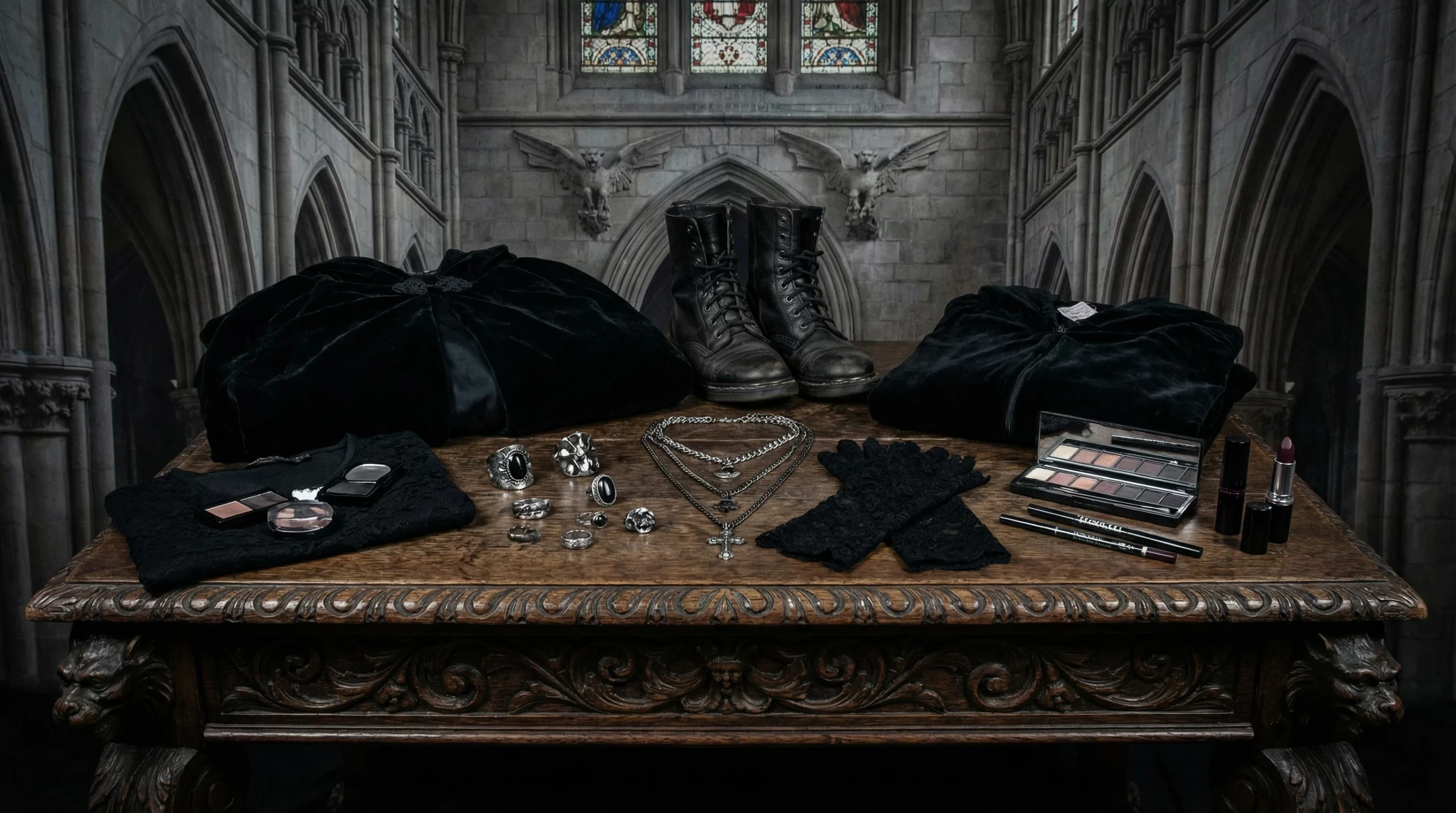
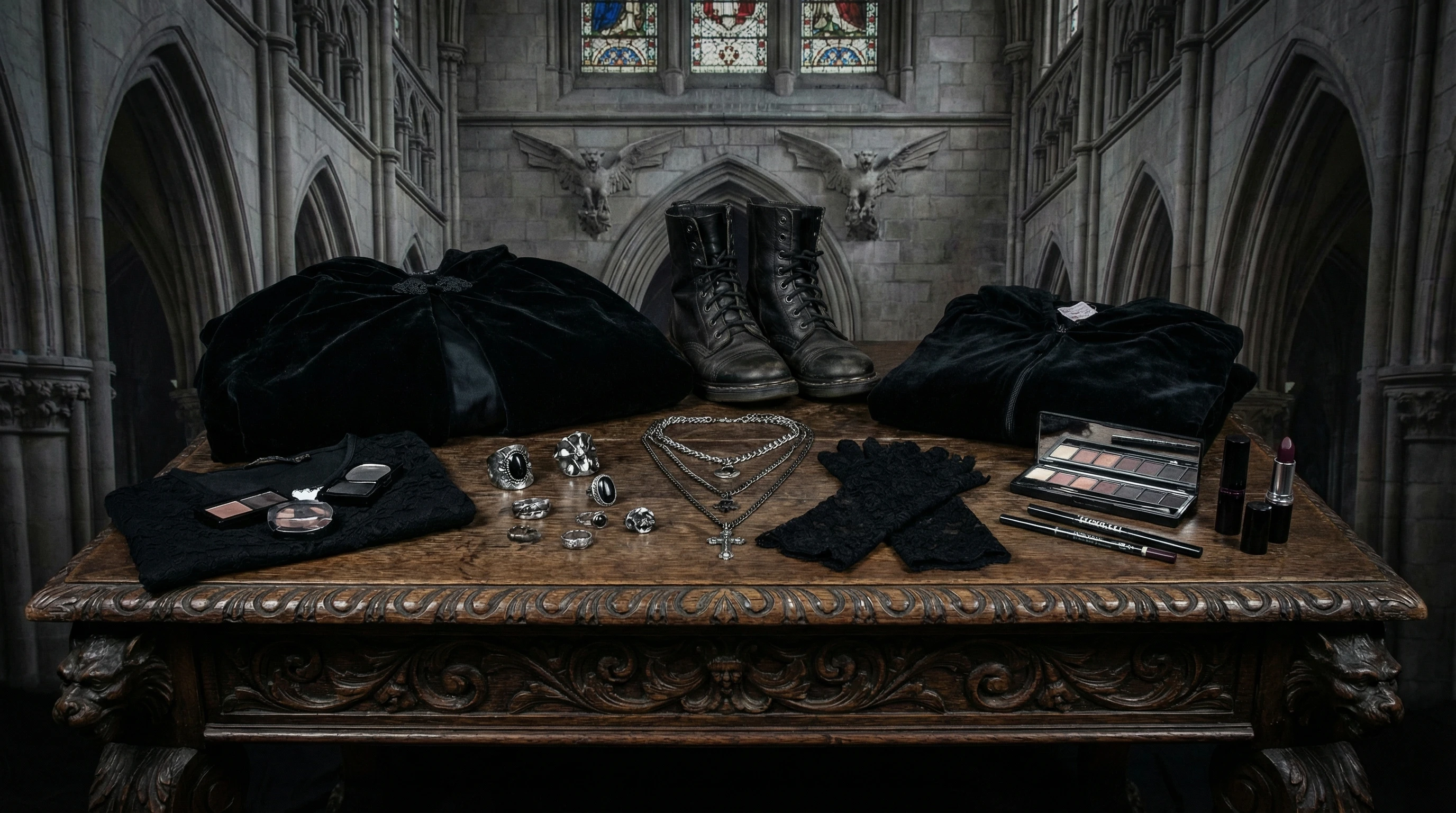
Building a solid goth wardrobe doesn’t have to cost a fortune or happen overnight. I started with some basics, then slowly added bolder or specialty items as I figured out my style. A few staples go a long way, and you’ll see them repeated across different gothic subcultures. Here’s what I think makes the cut:
- Black skinny jeans or pants
- Platform or combat boots
- Lace, mesh, or fishnet tops
- Statement jewelry, think pentagrams, crosses, and chunky chains
- Corsets or waistcinching belts
- Black velvet or satin dresses and skirts
- Oversized jackets (leather, denim, or militaryinspired)
- Layering pieces like long cardigans or capes
Accessories make a noticeable difference. Chokers, widebrimmed hats, fingerless gloves, and big, bold rings add personality to even the simplest black outfit. I like to mix vintage finds with newer, specialty pieces so the look tells a story. Don’t forget sunglasses for those bright days or moody photos.
How to Mix and Match for Your Own Gothic Look
Personal expression is what keeps the gothic scene alive. Mixing elements from different substyles usually gives your look that unique, authentic feel. For example, I sometimes pair a punkinspired jacket with a romantic lace blouse and chunky platform boots. There isn’t a strict rulebook, so work with what feels right for you.
- Don’t be afraid to experiment with fabrics. Mixing velvet and denim, mesh and leather, or lace and PVC brings texture and visual interest.
- Layering is super useful for creating silhouettes and switching things up throughout the day.
- When in doubt, start with all black, then add a statement accessory or two.
Some people like to tailor their look with seasonal touches, like dark florals in spring, heavy velvet in winter, or pastel goth elements during the summer. Even switching up your shoe style—swapping boots for chunky sandals—can give your outfit a new spin.
For even more inspiration, check out online style communities or look for video tutorials about layering and accessorizing. Seeing how others mix pieces can encourage you to try new combinations in your outfits and add some fun to your experimentation.
Common Questions About Gothic Fashion
People often ask about practicality, price, and “rules” in the scene. Here are a few questions I’ve encountered, with answers based on my own experience and what I hear most often in the community:
Is gothic fashion only for younger people?
Not at all. There are goths of all ages, and many fashion brands are making clothing in a wider range of sizes and fits now.
Do I have to wear all black to be goth?
Nope. While black is popular, plenty of goth substyles (like pastel goth or industrial) play with color. It’s really more about the overall vibe and attitude.
Is gothic fashion expensive?
It can be if you only shop from specialty brands, but you can build a cool goth wardrobe with thrifted or DIY pieces and just a few statement items.
Are there specific brands that are most respected in the scene?
Some brands like Killstar or Punk Rave come up a lot, but it’s more about what you do with the clothes. A unique outfit from a thrift store often gets as much love as something straight off the rack.
What about expressing my identity through makeup and hair?
Makeup and hair play a major role. Experiment with dramatic eyeliner, black or deep red lipstick, wild colors, and creative cuts. Wigs and temporary hair dyes are easy ways to try something new without a permanent change.
Leveling Up Your Gothic Style
Once you’ve got the basics down and feel comfortable with your everyday looks, it might be time to experiment with more advanced styling. Here are a few ideas that have worked well for me and others I know:
- Try customizing jackets with patches, spikes, or embroidery for a personal touch.
- Mix goth fashion with another favorite style, like steampunk or grunge, to create crossover outfits.
- Follow creatives on Instagram, Pinterest, or Tumblr who share outfit insights and new takes on what it means to dress goth.
- Play with makeup and hair. Dark lipstick and dramatic eyeliner are always a win, but colored contacts and hair dye can transform your whole look.
- Attend goth or alternative events, like club nights, concerts, conventions, and markets. These gatherings can help you track down new brands, pick up ideas, and connect with other fans.
Don’t be afraid to set free your creativity and try something totally unconventional. Gothic fashion is about showing your inner world. If you want to take up your style a notch, try designing your own accessories or upcycling old clothes into something fresh and new. Sharing what you create with others can inspire your community and help you grow your confidence.
Final Thoughts
The gothic fashion world is welcoming to personal style, creative exploration, and finding a community that values individuality. Whether you’re shopping online or piecing together outfits from local finds, you’ll find plenty of room to grow and express yourself. Jump in, experiment, and remember that the very best gothic wardrobes reflect the person who wears them. No duplicate looks required, so embrace what feels right for you and let your style evolve.